Māori land governance platform
Land development stalls when authority is hard to prove
Tākoha is building a trust operations workspace that helps Māori land trusts show who can act for their whenua, what the available records show they’re authorised to do, and which documents support that authority.
- Legal ownersThe owners of the whenua
- Trust orderSets up the trust and its powers
- Trustee appointmentWho was appointed, and when
- ResolutionThe decision that authorises the project
- Person signingSigns the loan, lease or contract
If one link is missing, the project stalls.
The problem
In land development, especially with multiply-owned, trust-administered, or Māori freehold land, the underlying asset is rarely controlled by a single individual. Without an unbroken, verifiable chain of authority connecting the legal owners down to the person signing a contract, the project stalls.
A clear chain of authority helps with four bottlenecks:
Counterparty risk for banks and investors. Lenders, grant funders and joint-venture partners need to assess whether the person signing a loan or lease has authority for that transaction. A traceable chain gives them evidence to review before committing capital.
Governance deadlocks and disputes. An unrecorded trustee resignation, a missed quorum or a missing resolution can call a decision into question. Tracing the decision back to the trust order, trustee appointments and relevant hui records helps people see what supports it and what needs review.
Regulatory and council approvals. For a consent, partition or easement, a project team may need to show why the applicant can act for the land. Missing authority records can delay review.
Repeated “archaeology” every time action is needed. Authority records can be scattered across Court minutes, lawyer files and personal inboxes. Bringing the source records together gives the trust a starting point for its next application or transaction, with current and relevant evidence reused where appropriate.
Our solution
How Tākoha solves it
Tākoha is building a trust operations workspace that acts like an end-to-end governance and transaction engine that connects land and trust records, hui decisions and the evidence a lender, council, funder or the Māori Land Court may ask to review.
Our first user is the trust secretary or trustee preparing a Māori land housing project. When a lender asks who can sign, that person needs to find what the trust order allows, who was appointed, and which resolution authorises someone to act for this project.
1
Before the hui
Bring source records together. The planned workflow maps who the available records show can act and flags missing or conflicting evidence for review.
Test ready2
During the hui
The planned workflow checks recorded attendance against configured quorum rules, prompts for conflicts of interest, and prepares draft minutes for review and sign-off.
In development3
After the hui
The planned workflow prepares draft forms and an indexed evidence pack for review and external submission.
In development
Why this team
Why we are building Tākoha
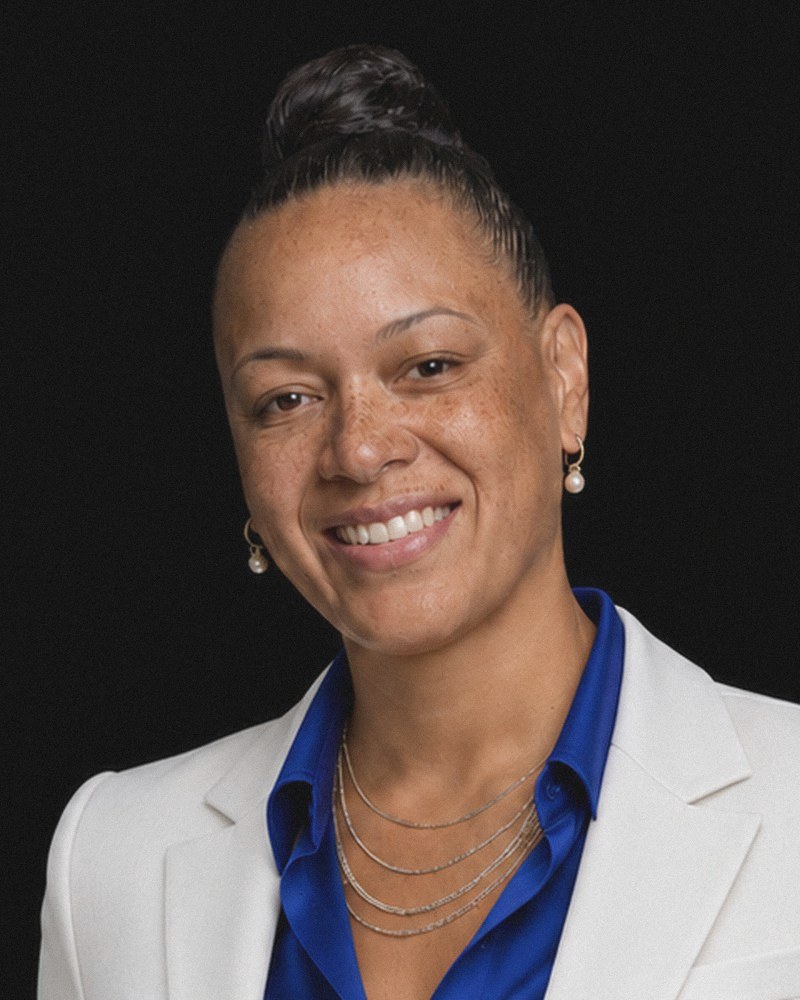
Tiowaana Harrington
Co-founder & CEO
I’m Tiowaana Harrington, co-founder & CEO of Tākoha. I’ve spent 24 years working in Māori land governance, including five years at the Māori Land Court. I’ve trained trustees and helped whānau prepare for hui and Court.
I’ve seen trusts ready to move on a project without their chain of authority documents in place, particularly the resolutions that show who can act and why. We’re building Tākoha so the work of proving authority can carry forward from one decision to the next.
Or email Tiowaana: tiowaana.harrington@takoha.nz